LIFE AFTER BLADDER CANCER
Is It Possible to Return to a Normal Life After Bladder Cancer Treatment?
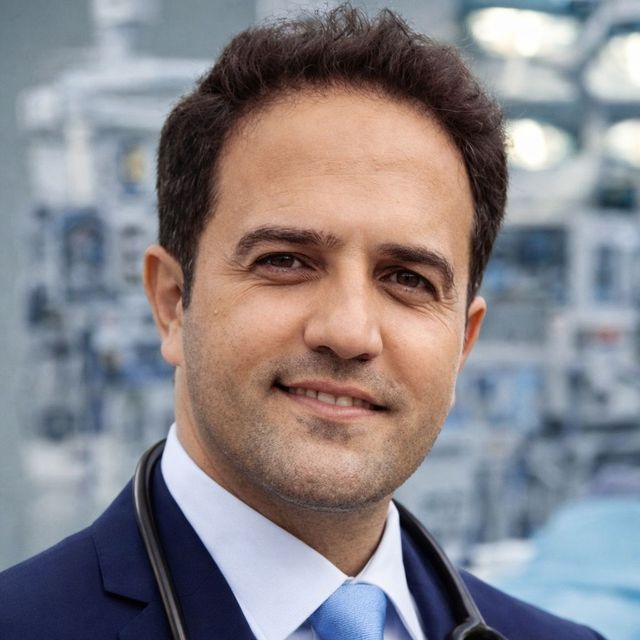
Assoc. Prof. Dr. Serdar Yalçın
Urology Specialist
QUICK SUMMARY
One of the most common questions patients ask after completing bladder cancer treatment is, "Will I be able to return to my normal life?" Advances in surgical techniques, modern systemic therapies, structured rehabilitation, and personalized follow-up programs now allow many patients to resume their daily activities, professional careers, and social lives. According to the 2026 European Association of Urology (EAU) Guidelines, survivorship, functional recovery, and quality of life are essential components of comprehensive bladder cancer care.
TABLE OF CONTENTS
How does life change after bladder cancer treatment?
When can I return to normal activities?
What should I eat?
Can I exercise?
Will my sexual health be affected?
Is psychological support important?
The EAU 2026 key message for patients
Long-term survivorship care with Assoc. Prof. Dr. Serdar Yalçın
Frequently Asked Questions
HOW DOES LIFE CHANGE AFTER BLADDER CANCER TREATMENT?
Recovery is different for every patient.
The type of treatment received, cancer stage, age, overall health, and postoperative recovery all influence how quickly patients return to their normal routine.
Many patients gradually regain independence and quality of life over time.
WHEN CAN I RETURN TO NORMAL ACTIVITIES?
Most patients can progressively return to:
• Daily activities
• Social life
• Professional work
• Light physical exercise
Recovery speed depends on the individual treatment plan and overall health.
WHAT SHOULD I EAT?
Healthy lifestyle recommendations include:
• A Mediterranean-style diet
• Adequate protein intake
• Plenty of fruits and vegetables
• Good hydration
• Complete smoking cessation
A balanced diet supports recovery and long-term health.
CAN I EXERCISE?
Yes.
According to current recommendations, regular physical activity is encouraged after appropriate recovery.
Most patients benefit from:
• Regular walking
• At least 150 minutes of moderate-intensity exercise per week
Exercise programs should always be individualized according to medical advice.
WILL MY SEXUAL HEALTH BE AFFECTED?
Sexual function may be affected depending on the type of treatment.
Today, nerve-sparing surgical techniques, medical therapies, rehabilitation programs, and sexual health counseling can help many patients maintain or improve sexual function.
IS PSYCHOLOGICAL SUPPORT IMPORTANT?
Yes.
A diagnosis of bladder cancer and its treatment can cause anxiety, emotional distress, or uncertainty.
Psychological counseling, family support, and patient support groups may significantly improve emotional well-being and overall quality of life.
THE EAU 2026 KEY MESSAGE FOR PATIENTS
Successful bladder cancer treatment involves more than eliminating cancer.
According to the 2026 European Association of Urology (EAU) Guidelines, preserving quality of life, supporting functional recovery, encouraging healthy lifestyle habits, and providing structured long-term follow-up are equally important components of comprehensive care.
LONG-TERM SURVIVORSHIP CARE WITH ASSOC. PROF. DR. SERDAR YALÇIN
Assoc. Prof. Dr. Serdar Yalçın provides comprehensive survivorship care for patients who have completed bladder cancer treatment in Bodrum, Türkiye.
Follow-up extends beyond cancer surveillance to include quality of life, nutrition, physical activity, urinary function, sexual health, psychological well-being, and individualized rehabilitation according to the latest European Association of Urology (EAU) Guidelines.
In addition to patients from Bodrum and the Muğla region, individuals from across Türkiye and abroad seek consultation for long-term follow-up, survivorship care, and second opinions.
Patients frequently highlight detailed communication, evidence-based recommendations, individualized follow-up planning, and continuous support throughout recovery.
CONCLUSION
Many patients are able to return to active, fulfilling lives after bladder cancer treatment. Regular follow-up, healthy lifestyle choices, physical activity, multidisciplinary support, and personalized rehabilitation all contribute to long-term recovery and improved quality of life.
FREQUENTLY ASKED QUESTIONS
Can I return to a completely normal life after bladder cancer treatment?
Many patients can resume an active and fulfilling lifestyle. Recovery depends on the type of treatment received and individual clinical circumstances.
Can I exercise after treatment?
Yes. Regular physical activity is encouraged after recovery, following your physician's recommendations.
Should I stop smoking?
Absolutely. Smoking cessation is one of the most important steps to reduce the risk of recurrence and improve overall health.
REFERENCES
-
European Association of Urology (EAU). EAU Guidelines on Muscle-Invasive and Metastatic Bladder Cancer 2026.
https://uroweb.org/guidelines/muscle-invasive-and-metastatic-bladder-cancer -
European Association of Urology (EAU). EAU Guidelines on Non-Muscle-Invasive Bladder Cancer 2026.
https://uroweb.org/guidelines/non-muscle-invasive-bladder-cancer -
European Association of Urology (EAU). Survivorship and Quality of Life Recommendations.
SCIENTIFIC BASIS
This article has been prepared based on the 2026 European Association of Urology (EAU) Guidelines on Bladder Cancer. Its purpose is to present current evidence-based medical knowledge in a clear and patient-friendly language. Modern bladder cancer care extends beyond cancer treatment to include survivorship, quality of life, functional recovery, healthy lifestyle interventions, psychological support, and individualized long-term follow-up.